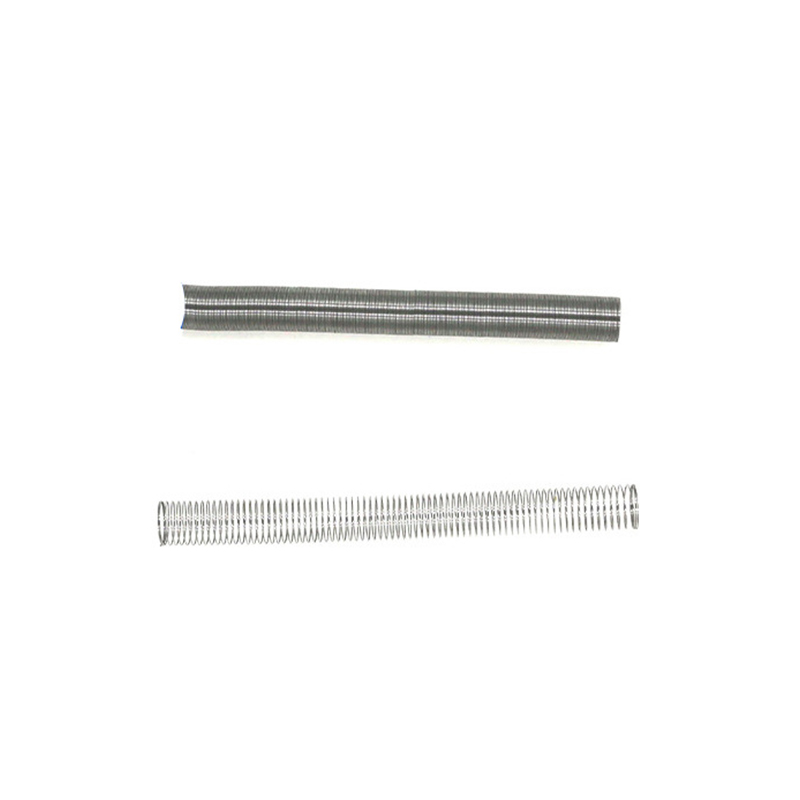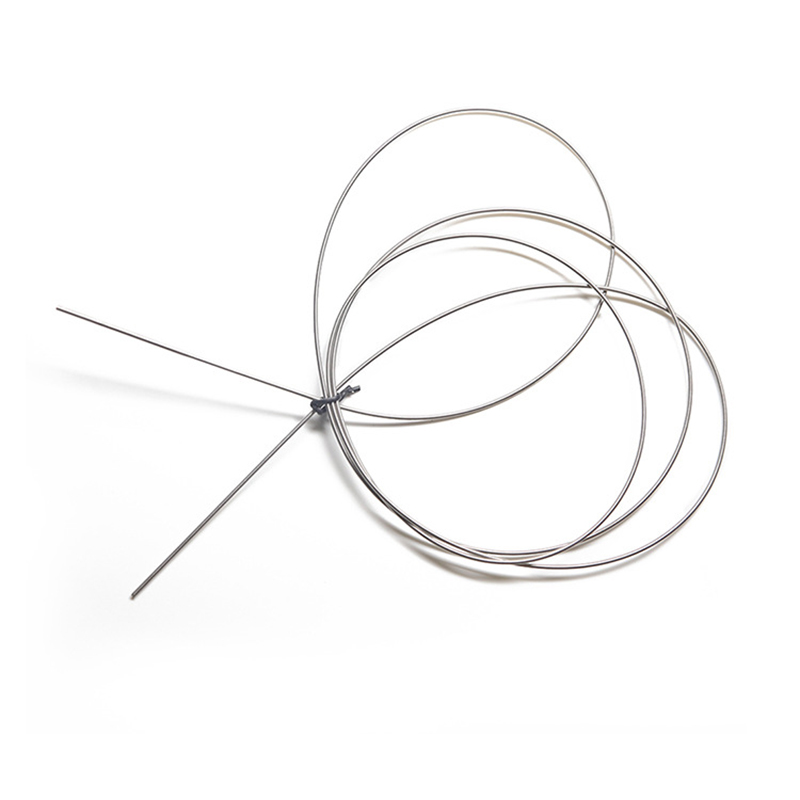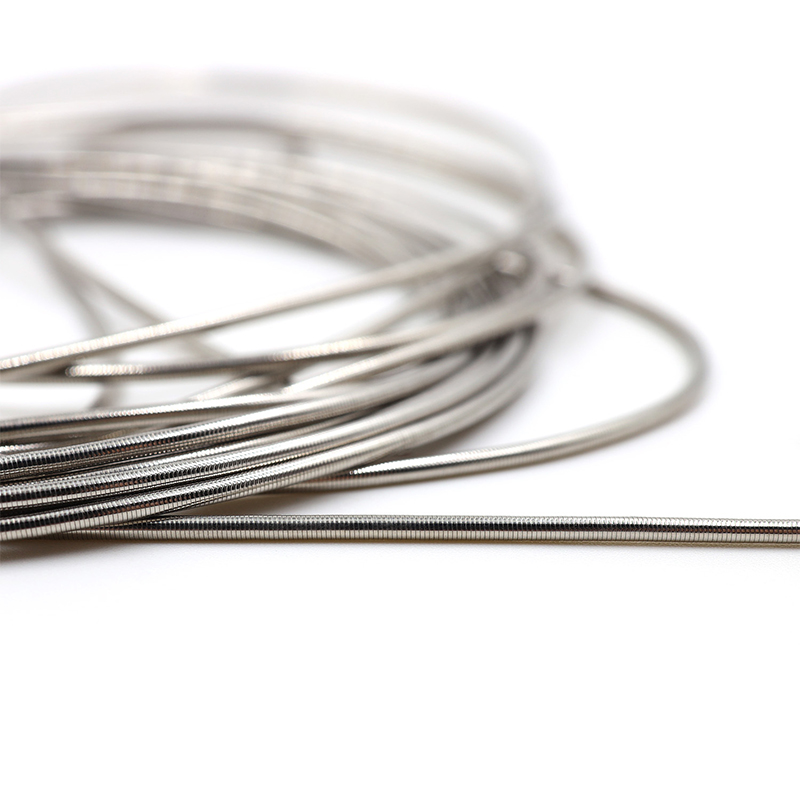
Medical precision gold-plated spring is a core component designed specifically for invasive or high-sensitivity medical equipment. By coating the surface of the medical substrate spring with a high-purity gold layer, it achieves three core functions: biocompatibility optimization, conductivity enhancement, and corrosion resistance protection. It is widely used in high-end medical scenarios such as interventional therapy and diagnostic monitoring, and is a key component for balancing instrument performance and patient safety.
Core feature: The "triple medical value" of the gold plating layer
Gold plating is not for decorative purposes, but for functional design in medical settings, with its core values focused on three points:
Ultimate biocompatibility
Gold is one of the few metals that can meet the ISO 10993 biocompatibility standard. The gold plating layer can completely isolate the substrate (such as stainless steel, nickel titanium alloy) from contact with human tissue/body fluids, avoiding allergic and inflammatory reactions caused by the release of metal ions. It is particularly suitable for long-term implantation or short-term intervention (such as intravascular catheters) scenarios.
Stable high conductivity
The electrical resistivity of gold is only 2.44 × 10 ⁻⁸Ω· m (at room temperature), and its conductivity is not affected by the body fluid environment. It can be used as a "signal transmission channel" for electrophysiological devices such as cardiac radiofrequency ablation catheters and nerve stimulation probes, ensuring that electrical signals are not attenuated or interfered with.
Super strong corrosion resistance
Gold has extremely strong chemical inertness and will not oxidize or dissolve in complex fluid environments such as blood and gastric juice. It can extend the corrosion resistance life of springs by more than 10 times, avoiding instrument failure or tissue damage caused by spring corrosion.
Key application scenarios: Focus on "high demand medical scenarios"
Its application is highly concentrated in instruments with strict performance and safety requirements, and typical scenarios include:
Interventional therapy instruments: such as the "push spring" of the cardiac stent delivery system (with a gold plating layer to reduce friction with the blood vessel wall while avoiding metal ion leaching), and the "guide spring" of the microcatheter (which needs to be repeatedly bent inside the blood vessel, with a gold plating layer to protect the substrate from fatigue and corrosion).
Electrophysiological and diagnostic equipment: such as the "contact spring" of electrocardiogram (ECG) electrode pads (gold-plated to ensure stable conductivity and avoid skin irritation), the "blood collection needle spring" of blood glucose monitors (gold-plated layer to prevent spring blockage caused by blood residue), and the "stimulating electrode spring" of neural regulatory instruments (transmitting electrical signals while protecting nerve tissue).
Implantable devices: such as the "internal connection spring" of cochlear implants (long-term implantation, gold plating ensures biological safety and conductivity stability), and the "push rod spring" of insulin pumps (to avoid deterioration caused by contact between medication and metal).
Core parameter: "Precision" quantitative standard
As a "precision component", its manufacturing requires strict control of two major dimensional parameters:
Specification of substrate and gold plating layer
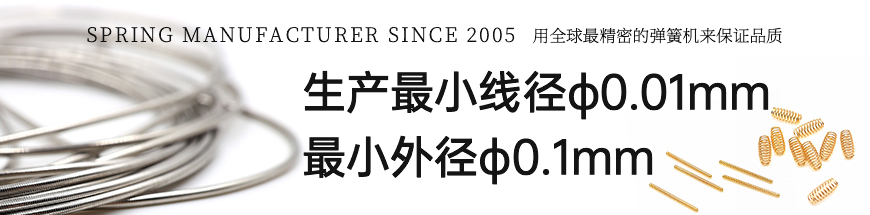
Substrate: 316L medical grade stainless steel (high-strength, easy to process) or nickel titanium alloy (super elastic, suitable for bending scenarios) is commonly used, and the spring wire diameter is usually 0.05-0.5mm (micrometer level accuracy).
Gold plating layer: The purity should be ≥ 99.9% (industrial pure gold), and the thickness should be controlled between 0.5-10 μ m (too thick affects the elasticity of the spring, and too thin is prone to detachment). It should also pass a "salt spray test" (simulating a bodily fluid environment) to ensure no pinholes or peeling.
performance metrics
Elastic fatigue life: It must meet the requirement of ≥ 100000 reciprocating deformations without fracture (such as repeated ejection of the blood collection needle spring);
Dimensional accuracy: Spring outer diameter, pitch error ≤ ± 0.01mm (suitable for narrow spaces of precision instruments);
Aseptic requirement: The finished product needs to be sterilized with ethylene oxide or gamma ray, and the aseptic shelf life is ≥ 2 years (independent packaging).
The core value of medical precision gold-plated springs is to solve the pain points of "biological safety" and "stable performance" of ordinary metal springs in medical scenarios through the functional carrier of "gold-plated layer". It is a key support for high-end medical devices to move from "usable" to "easy to use and safe to use". The technological trend is moving towards "thinner gold plating layers (cost reduction)" and "composite coatings (such as gold palladium alloys, which balance conductivity and wear resistance)", further adapting to the upgrading needs of minimally invasive and implantable devices.


 Tiktok

 Kwai

 REDnote