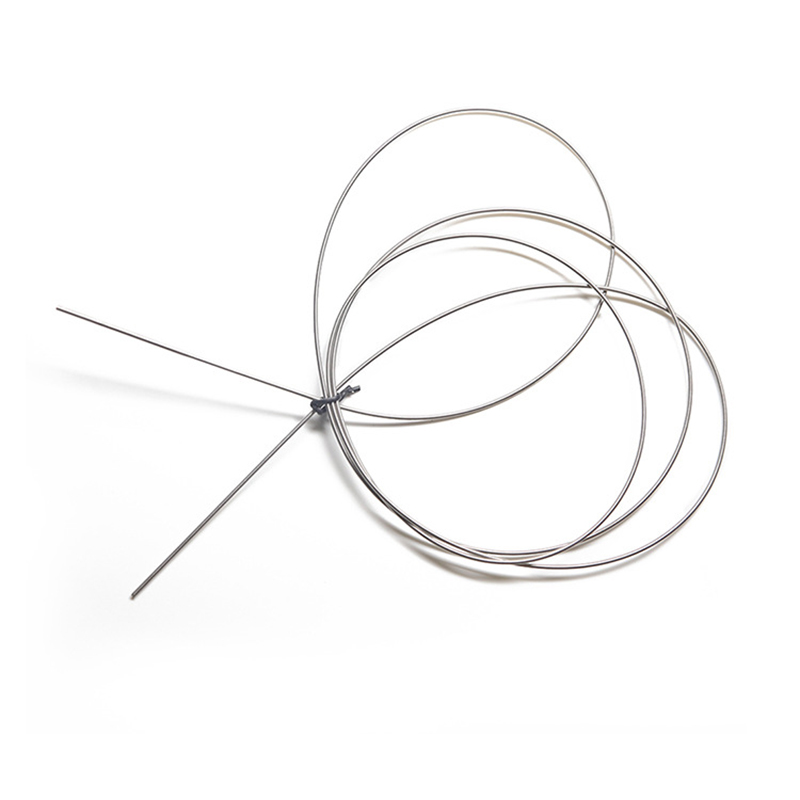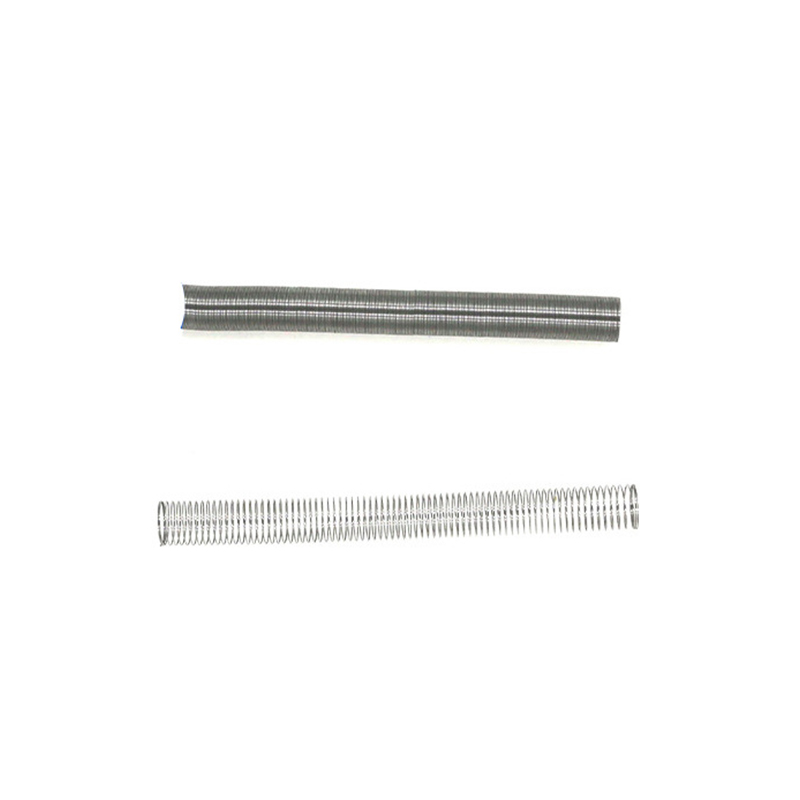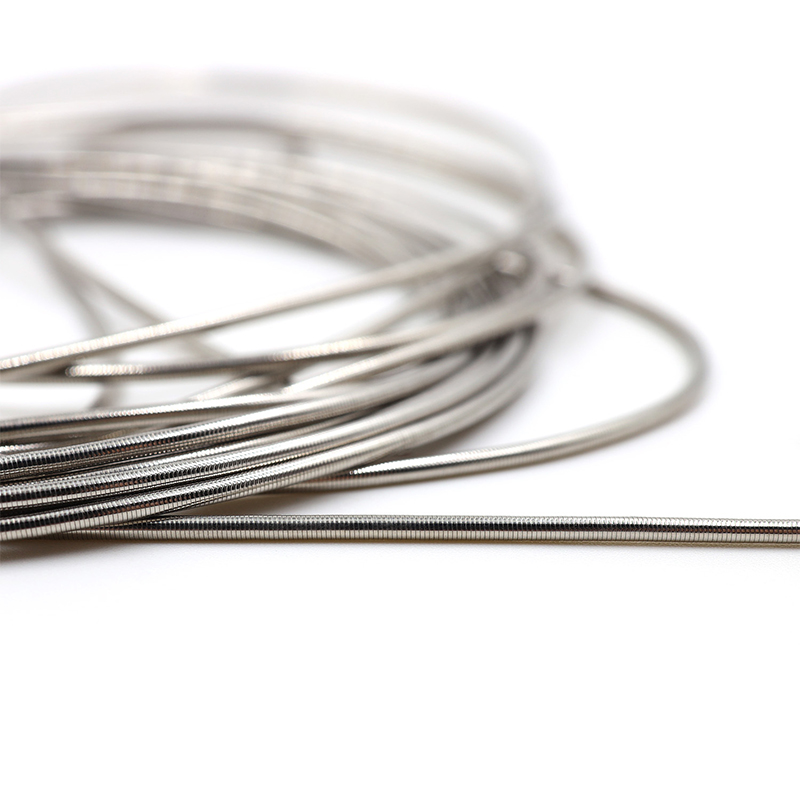
The sheath guide wire is the core guiding instrument in vascular or intracavitary intervention surgery, usually used in conjunction with a catheter. Its core function is to provide "path guidance" for the catheter, ensuring its safe and accurate arrival at the target lesion site.
1、 Core function: To pave the way for surgery and provide protection
Guiding positioning: Enter the blood vessels (such as coronary arteries and peripheral blood vessels) or natural lumen (such as biliary tract and digestive tract) first, providing precise path for subsequent catheter insertion and avoiding blind catheter operation.
Maintain access: When replacing catheters or instruments, stay in the body to maintain the surgical pathway and prevent pathway blockage or vascular collapse.
Safety protection: By using soft tips and smooth surfaces, it reduces irritation and damage to the blood vessel wall and lumen mucosa, and lowers the risk of perforation, dissection, and other complications.
2、 Key feature: The core indicator that determines the effectiveness of use
Flexibility and support: The tip needs to be soft to adapt to curved blood vessels, and the middle/proximal end needs sufficient support to facilitate the doctor's pushing and direction control.
Visibility: The surface usually has developed markings (such as platinum iridium alloy), which can clearly display the position under X-ray fluoroscopy, helping doctors to determine the direction of the guide wire in real time.
Smoothness: The surface is covered with hydrophilic/hydrophobic coatings, reducing friction with blood vessel walls and catheters, and improving passability (especially for narrow and twisted blood vessels).
3、 Main application scenarios: Covering multiple fields of interventional surgery
Cardiovascular field: In coronary intervention (such as stent implantation) and heart valve intervention surgery, guide the catheter to reach the coronary artery opening or heart valve position.
Peripheral vascular field: In surgeries such as lower limb arterial occlusive disease and renal artery stenosis, narrow blood vessels are opened and treatment instruments are guided.
In other fields such as neurological intervention (such as cerebrovascular intervention), digestive intervention (such as biliary stent implantation), urinary intervention, etc., guidance catheters are required to be in place.
The sheath guide wire is the "vanguard" of interventional surgery, and its precise guidance ability and safety protection characteristics directly determine the accuracy and safety of subsequent treatment. It is an indispensable core instrument in modern minimally invasive interventional diagnosis and treatment.


 Tiktok

 Kwai

 REDnote